
CN
Traditional lighting systems have been replaced by state-of-the-art smart lighting solutions,These solutions are gradually changing the way we think about building control specifications。
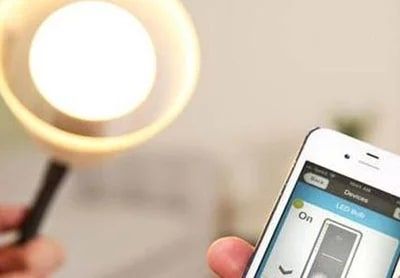
The lighting industry has changed in recent years。Although some changes are occurring quietly,But it has not caused much of a stir outside the building environment,But developments such as automatic lighting control and the advent of automatic lighting have become reality。LEDTechnology has become mainstream,It has greatly changed the lighting market。The emergence of smart lighting fully integrated into building operating systems,Combining various factors,It provides a one-stop solution,It is a far cry from traditional lighting。
Traditionally,Lighting has been classified as an isolated, independent system,Lighting has been developed,A more flexible and integrated approach using open protocols is needed to facilitate communication with other devices。Past,Most manufacturers design and deploy closed systems that communicate only with their own products and systems。Fortunately,This trend seems to have reversed。Open contracts have become a general requirement,It brings costs to end users、Improvements in efficiency and experience。
Sensor
PIRSensors can be linked with lighting control and security,But these sensors can control heating、Cooling、Access、Such as blinds,Feedback temperature、Humidity、CO2Information,And track motion to help determine occupancy levels。
Emergency lighting
Monthly testing of emergency lighting can be a difficult process,Especially in large commercial buildings。We all recognize the importance of ensuring occupant safety,But the process of manually checking individual fixtures after activation is time-consuming,Waste of resources。
After installing a smart lighting system,Emergency testing is fully automated,It eliminates the hassle of manual inspections,Reduced risk of errors。Individual lighting fixtures can report their own status and light output levels,And can report continuously,So that faults can be found and resolved immediately after they occur,Without having to wait for the next scheduled test to fail。
Carbon dioxide monitoring
As previously mentioned,CO2Sensors are integrated into lighting sensors,Maintain building operating systems at levels below specific setpoints,Fresh air can be introduced into indoor spaces when necessary,Thereby improving air quality。Asthma、Heart disease、Declining air quality in buildings can exacerbate allergies and many minor health problems。Further research is needed,But there seems to be evidence that,At the very least, declining indoor air quality degrades the workplace、The work and study efficiency of schools and students。
Together with consultants,Specification representatives and end users recognize the benefits of a more comprehensive approach to electrical and mechanical specifications,The transition to an increasingly integrated building environment is proceeding smoothly。Smart lighting requires more than just LEDsAnd basic control,There are also greater demands on lighting systems,Tapping into the potential of intelligent integration。
Customer service
Phone
Back to Top
